Table of contents
- Start with a community structure that matches responsibility
- Design a publishing workflow, not just a posting habit
- Make member access a scheduled control
- Set permissions around intervention, not convenience
- Monitor the community and the service separately
A Telegram signal community becomes difficult to run when the admin treats it as only a chat channel. The durable model separates the public trading conversation, the source of trade instructions, each member’s exchange connection, and the team responsible for exceptions. That separation makes access changes, corrections, and support requests manageable without turning every market move into a manual coordination exercise.
Cornix gives Telegram community admins an operating layer for channel-based signal distribution, including channel setup, member administration, trading configurations, and signal history through its admin workflows (group admin workflows).
Start with a community structure that matches responsibility
Use one primary channel as the authoritative location for trade communications. Members should know which posts are actionable, where updates appear, and who can publish or amend a call. Keep general discussion, support questions, and performance commentary separate from the signal stream where possible. The consequence is practical: a member looking for a changed stop or closed idea should not have to interpret a fast-moving conversation to find it.
Before inviting members, decide what the community is actually offering. A signal-provider community distributes ideas that members can choose to follow. A manager-controlled service has a different authority model because someone else is operating connected accounts. Cornix distinguishes these models: its Community Admin plan lets members retain write permissions to manage, edit, or close their own trades, while its Asset Manager plan can limit clients to read-only or no Cornix access.
That boundary should be written into onboarding materials. State who selects the strategy, who controls the exchange API, who may alter a live trade, what members should do if they disagree with a signal, and where urgent support requests go. It will not remove trading risk, but it prevents an avoidable governance problem: members assuming a channel admin will make account-level decisions for them.
Design a publishing workflow, not just a posting habit
A scalable crypto signal community needs a repeatable publishing path. Define one owner for each action: drafting a signal, checking its structure, publishing it, issuing updates, and closing or cancelling it. Define a backup operator as well. Without this, an edited message can create uncertainty about whether it replaces a prior instruction or is merely commentary.
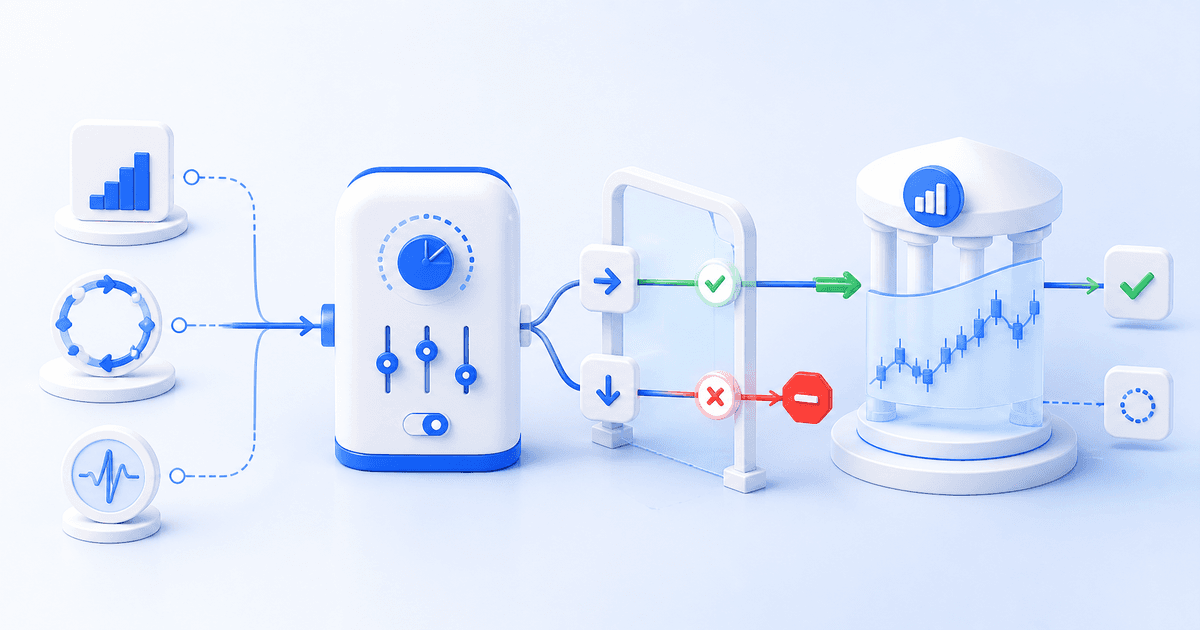
Cornix channel onboarding directs admins to set up the channel integration and review basic and advanced signal-posting formats so that messages can be read and executed as expected. The useful administrative lesson is broader than bot execution: make every actionable post recognizable. Adopt a stable format for the market, direction, entry logic, risk limits, targets, and status. Reserve a clear format for corrections and cancellations. Do not mix market opinion with instructions that members may treat as live.
For teams that do not need Telegram to be the original signal source, Cornix also supports Personal Groups and its Signals Terminal. An operator can publish a signal from the dashboard, select the target group and exchanges, and attach configured fields such as amount, direction, entries, take-profit, and stop settings (Signals Terminal and Personal Groups). This is most useful when the operational priority is keeping a manager’s distribution process organized across managed accounts, rather than growing a discussion-led Telegram channel.
Make member access a scheduled control
Member management is a revenue, security, and support process at the same time. An invitation should identify the intended recipient, subscription duration, and the action to take when access ends. Review new, pending, expired, inactive, and unauthorized members on a fixed schedule, not only when someone reports a problem.
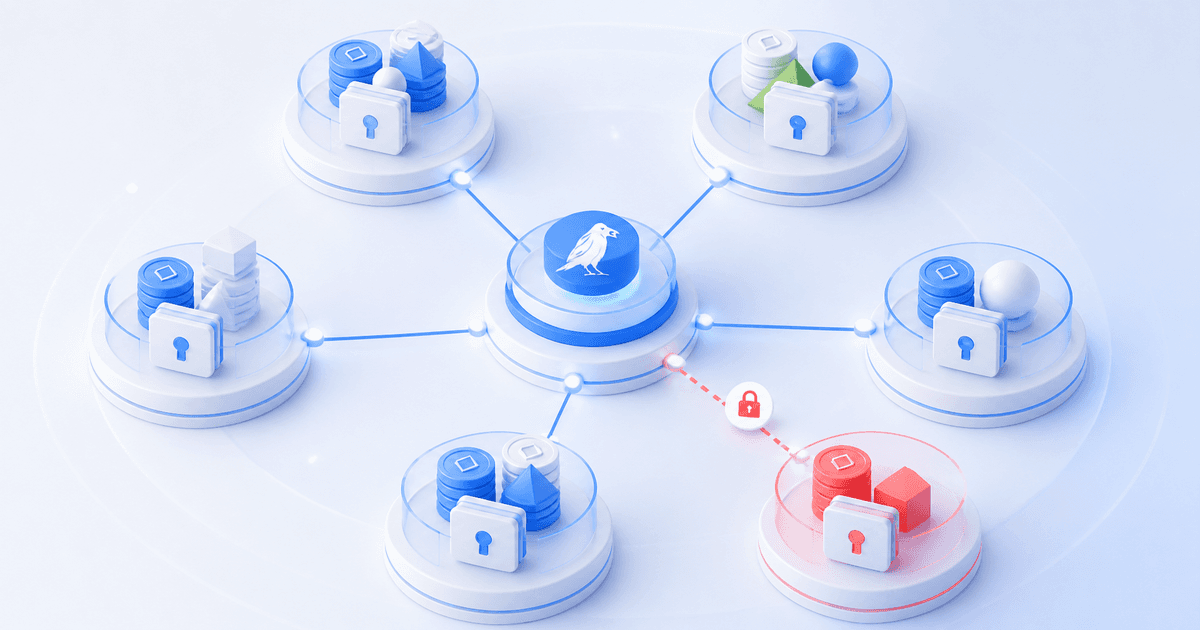
Cornix’s Telegram Admin Interface supports member approval, expiration dates, invitation controls, status filters, and settings to remove expired or unauthorized users automatically (channel member management). The consequence is fewer ambiguous access cases: the admin can distinguish a member who has not joined yet from an expired subscriber who remains in the channel, instead of relying on a manually maintained list.
Do not treat a Telegram invitation as proof that the recipient should gain access to trading automation. Confirm that the person has completed the appropriate onboarding, understands the community rules, and has connected only the account they intend to use. Where an automation platform needs exchange API access, tell members to follow the platform and exchange setup guidance directly, rather than collecting credentials in chat. Telegram notes that third-party bots can receive data when users interact with them or participate in a group containing them, so admins should explain the bot’s purpose and limit access to what the workflow genuinely requires (Telegram bot data guidance).
Set permissions around intervention, not convenience
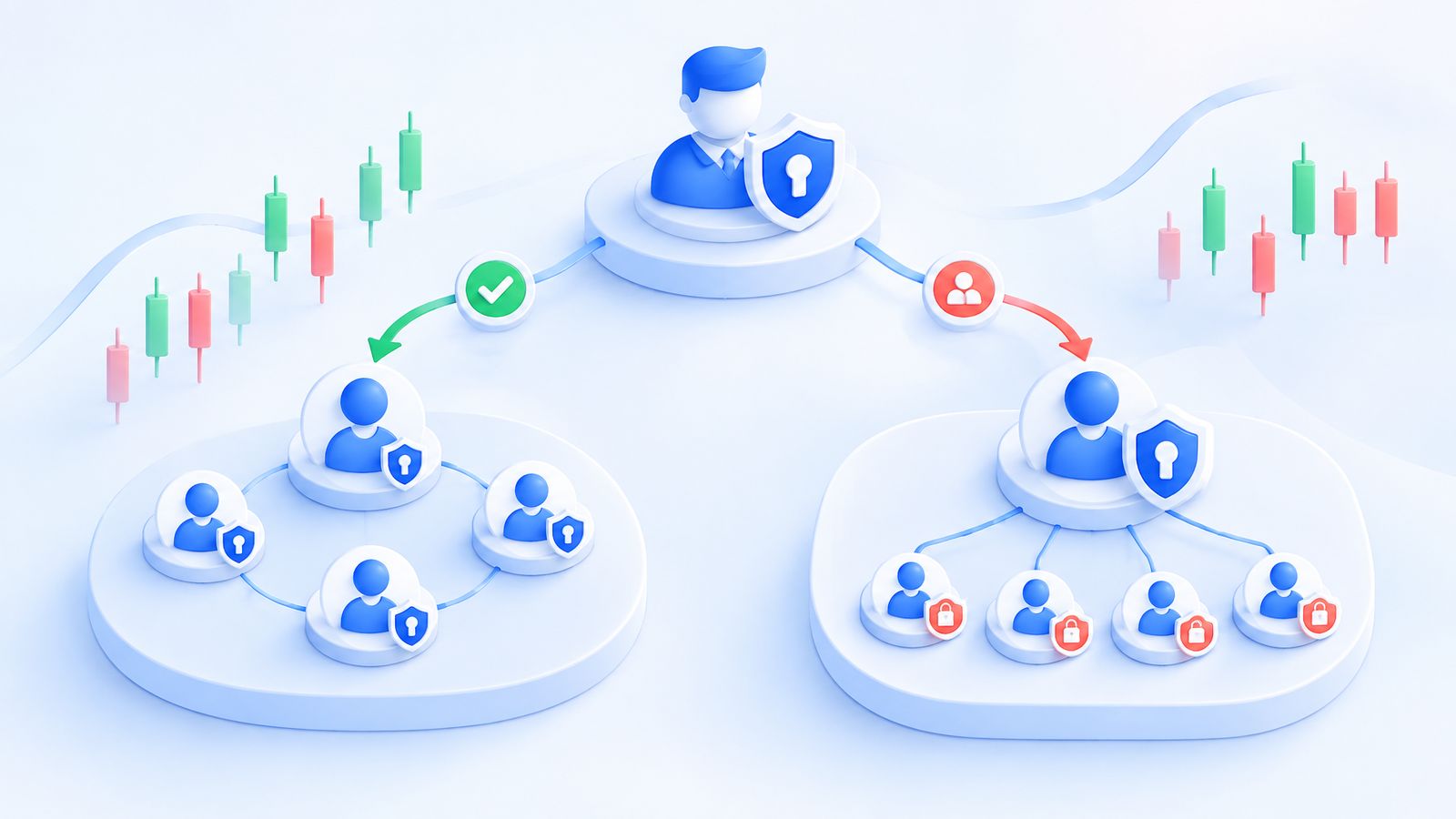
The key permission question is simple: when a trade is live, can the member intervene? A community that sells education and trade ideas may reasonably let each member choose whether to connect an account and retain control over positions. A discretionary manager service may need tighter controls, but that changes the relationship, disclosures, and support expectations.
Cornix’s Community Admin workflow is designed for signal providers who want a branded environment while members connect their own APIs and can edit trade configurations or close positions themselves (Community Admin permissions). Its Asset Manager workflow is designed around the opposite operating choice: the manager retains write permissions while clients have read-only or no access (Asset Manager permissions). Neither model is automatically better. Choose community-style permissions when member autonomy is the promise; choose manager control only when your mandate, staffing, and client agreements support it.
Compatibility belongs in onboarding, too. Before a member pays or connects an account, verify their exchange, market type, and regional availability against the platform’s current support list. Cornix currently lists supported spot, futures, and inverse exchange connections and identifies exclusions such as Binance.US, Bybit.eu, OKX.eu, and OKX.us (supported exchange list). A compatibility check before onboarding is far cheaper than handling a failed setup during a live signal.
Monitor the community and the service separately
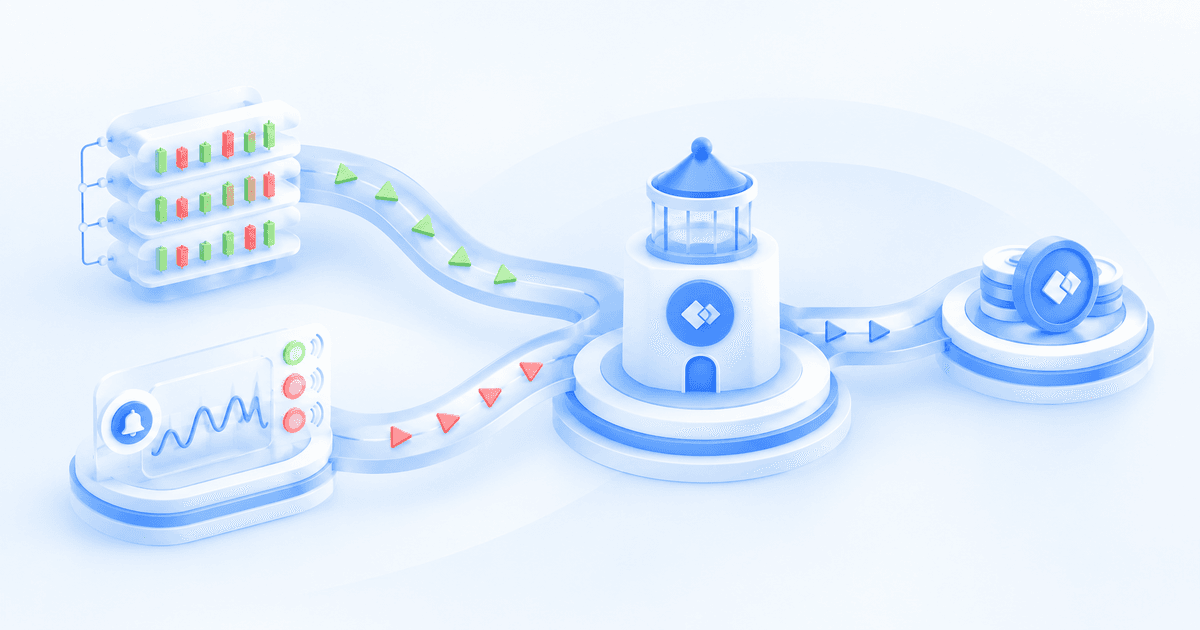
Community monitoring has two layers. First, watch the operational flow: failed onboarding, unauthorized joins, expiring subscriptions, unclear signal posts, and member questions that keep recurring. Second, review the service itself: whether the stated strategy scope, signal frequency, risk language, and support commitments still match what members experience.
If your channel is listed in a discovery environment, performance figures need context. Cornix Marketplace says its channel statistics are based on historical analysis and uses an initial $10,000 allocation model, while its group score combines performance, risk, and service metrics (Marketplace metrics methodology). Treat this as a comparison input rather than a promise of a member’s future fill or return. Publish the assumptions members need to understand, including that their exchange, timing, configuration, balance, and risk choices can lead to different outcomes.
Build a support runbook for the predictable cases: a user cannot join, an invitation expires, an API connection fails, a signal needs correction, a member wants to stop automation, or an account has an unexpected order state. Record who owns the response and when escalation is required. The goal is not to promise instant market outcomes. It is to make the admin response consistent when the workflow does not go as planned.
Selection principle: choose the structure that makes authority visible. Use a Telegram community model when members should retain control of their own accounts, and use a managed-account model only when the permissions, operating process, and client relationship all support it (channel admin onboarding).
Ready to give members a branded, organized way to follow your signals? Explore Cornix Group Admin and connect your trading community to automated execution.
Frequently Asked Questions
What is Telegram signal community management?
It is the operating process behind a trading channel: defining the authoritative signal source, onboarding members, controlling access, documenting permissions, monitoring exceptions, and providing support. It is broader than setting up automated trade execution.
Should members be able to edit or close trades?
That depends on the service model. A signal community generally benefits from member control because each person chooses whether and how to follow a trade. A manager-operated model may use read-only client access, but it needs clearly defined authority, support, and client expectations.
How should admins handle expired Telegram subscriptions?
Set expiration dates at onboarding, notify members before expiry, and define whether expired access is removed automatically. Review pending, inactive, expired, and unauthorized statuses routinely so access does not depend on ad hoc chat messages (channel member management).
What should be checked before a member connects an exchange account?
Confirm that the intended exchange, account type, and market are supported; explain the required API permissions; and direct the member to official setup guidance. Never ask members to send API secrets or account credentials through Telegram chat.