Table of contents
- Six Pionex alternatives for different trading routines
- Check the exchange account behind each bot
- Price the deployment you will actually run
- Rehearse one entry, one change, and one shutdown
- Choose the execution path worth paying for
Pionex is an exchange with built-in trading bots and no separate bot subscription or activation fee, which makes it worth keeping when its trading environment already meets your needs. Its bots run on Pionex itself, so the alternatives below are for traders who want automation on accounts at other exchanges (Cornix, for example, does not connect to Pionex accounts), or who need a different kind of workflow. If you want that, shortlist Cornix for signal-community execution, Bitsgap for Grid-focused deployment, or Altrady for a manual trading routine supported by bots. Moving makes sense when the new execution workflow justifies another subscription and an exchange connection (Pionex bot fees).
Six Pionex alternatives for different trading routines
Cornix automates trades from supported Telegram and Discord channels through its Signals Bot: it detects new signals, places matching exchange orders, and synchronizes changes such as target updates and stop-loss edits. Choose this route when following a community means managing the trade after entry, rather than simply receiving a notification (Signals Bot guide).
The table compares six alternatives, not six versions of the same service. Prices are the entry-plan figures listed on vendor pages when this article was last updated (Cornix, 3Commas, Bitsgap and Altrady were rechecked on November 24, 2026), and they change, so confirm them on each pricing page before buying. Figures marked as billed annually require annual billing; they are not month-to-month offers. Use the workflow column to narrow the choice before comparing the subscription amount.
| Platform | Choose it for | Entry subscription | Capacity to size first |
|---|---|---|---|
| Cornix | Telegram and Discord signal execution | Advanced: $32.99 per month, billed annually | Primary API slots and active bots |
| 3Commas | Configurable spot bot portfolios | Starter: from $15 per month as listed (higher list price $20) | Simultaneously active exchange API keys |
| Bitsgap | Grid deployment with historical testing | Basic: $29 monthly | Concurrent Grid and DCA bots |
| WunderTrading | Multi-API execution and webhook routing | Free plan available indefinitely | Multi-API trades and bot counts |
| Cryptohopper | Strategy design with paper trading | Explorer: $29 monthly | Coins and positions per exchange |
| Altrady | Scanning and manual trading alongside bots | Basic: €28 monthly | Trading accounts and active bots |
When signal updates must reach exchange orders
Cornix is the most relevant starting point here if your trading instructions come from a supported signal community. The buying reason is the update path: a changed target or canceled signal can matter as much as the initial entry. During evaluation, send an entry and then a modification through the same group. Judge whether the resulting trade matches your intended operation, including notifications and trade tracking.
Cornix Advanced includes 3 Active Signals Bots, 5 Active Grid Bots, 5 Active DCA Bots, 5 Active TradingView Bots, 50 Monthly Backtesting Runs, and 2 Primary API Slots. Those are separate allowances. A small number of exchange connections does not mean you must choose only one automation style. Before subscribing, count both the connections and the simultaneous strategies you intend to operate.
When account capacity matters more than bot variety
3Commas suits traders building a configurable portfolio of DCA, Signal, and Grid bots. Starter includes five active DCA bots, two Signal bots, two Grid bots, and one active exchange API key for spot trading. Pro is listed at $38 per month (previously $50) and supports spot and futures with five active API keys. Choose the tier by how many keys must trade simultaneously, rather than how many credentials you can save. A second active account can change the purchase even if your bot count remains low.
WunderTrading deserves a separate shortlist when one execution workflow must involve multiple APIs. Its Free plan includes 10 API keys per exchange, one Multi-API trade, and one each of Signal, DCA, and Grid bots. Demo access and webhook execution are included across plans. Basic raises the Multi-API trade allowance to two and the bot allowances to five Signal, 20 DCA and five Grid bots; check the WunderTrading pricing page for the current paid price. The practical distinction is between connecting accounts and using them together: test the exact account grouping you intend to trade.
When the Grid configuration is the main purchase
Bitsgap is a strong starting point when your priority is configuring and testing Grid bots. Basic includes three active Grid bots, 10 active DCA bots, and backtesting up to 30 days. It costs $29 monthly or $23 per month billed annually. Advanced raises the backtesting window to 180 days and includes futures bots. Choose according to the number of ranges you will run and the history you need to inspect, rather than paying for a larger tier simply because it has more tools.
For a Grid-led evaluation, write down the intended range, order spacing, capital allocation, and action when price leaves the range. Ask the trial to answer those questions. Opening several visually different configurations without a fixed allocation makes the comparison harder: you cannot tell whether the preferred result comes from the software, the range choice, or simply more capital committed.
When you want strategy design or a trading terminal
Cryptohopper fits traders who want strategy construction alongside signals and paper trading. Explorer includes a Strategy Designer, backtesting, 15 coins, and 80 open positions per exchange. Its annual equivalent is $24.16 per month, compared with $29 monthly, excluding applicable VAT. Choose it when designing and reviewing a strategy is part of your routine. Count the positions the strategy can accumulate, because a modest list of coins can still create enough simultaneous entries to determine the required tier.
Altrady fits a trader who scans markets, makes discretionary entries, and wants automation close to that routine. Basic includes Quick Scanner, Base Scanner, five trading accounts, and two active bots; its annual equivalent is €20 per month. All plans include Smart Trading and a multi-exchange portfolio. Billing is in euros, so a displayed dollar conversion is not a fixed dollar subscription. This is a different buying reason from maximizing unattended bot counts: the manual trading workspace must earn its place in your daily process.
Altrady also makes a consequential market distinction: its Grid bots trade spot markets only, with one Grid bot per market per trading account. A trader seeking futures Grid execution should eliminate that specific workflow before spending time recreating a range configuration. Its Signal Bot and DCA position workflows serve different purposes, so general bot availability is not enough to establish compatibility (Altrady bot selection guide).
Check the exchange account behind each bot
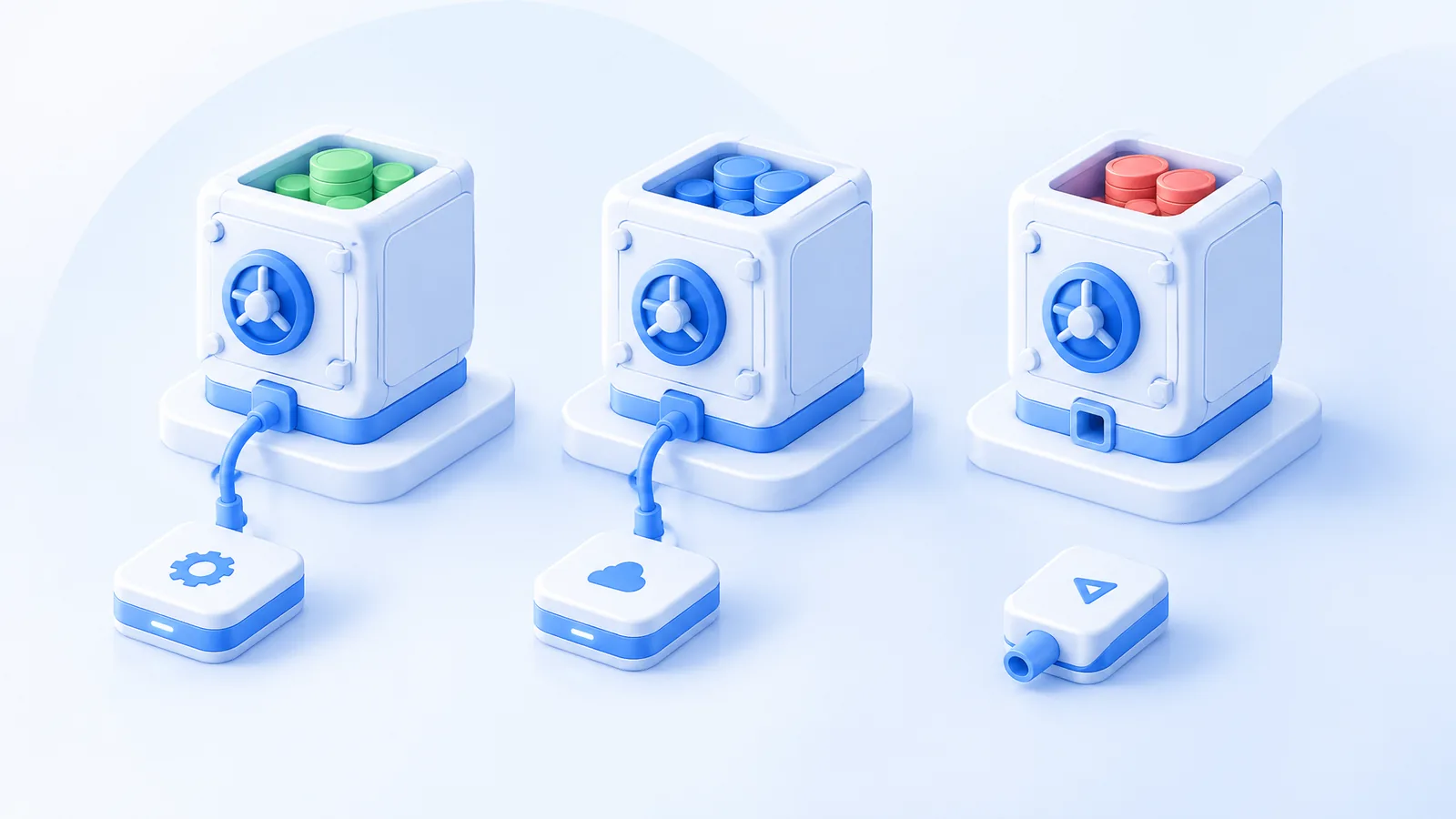
Start with your existing account, not the largest exchange count. Write a short requirement such as: “Kraken spot account, one trading pair, alert-triggered entries, and manual oversight.” Then require each finalist to support that complete combination. Treat a regional exchange entity, market type, and account mode as distinct checks. Do not assume an exchange logo establishes access to every product or eligibility in your location.
Cornix supports Coinbase and Kraken for spot trading, while its futures list includes venues such as HyperLiquid and BloFin. Cornix supports OKX only through okx.com. These examples show why the exchange and market must be checked together; they are not the complete integration list. A spot connection should not be treated as approval for a futures strategy on the same brand (supported exchanges guide).
Ask the finalist to demonstrate an order on the exact account configuration you will use. Record the symbol, quote currency, minimum order size, and available balance. For multi-account operations, repeat that check on each account rather than assuming the first successful connection validates the rest. Keep this record beside the strategy settings so later account changes do not silently change the deployment you evaluated.
A cross-exchange bot service should also be assessed as an execution layer, not as a promise that balances become interchangeable. Decide where each strategy will hold its allocation before placing orders. If your buying goal is moving money between venues or exploiting price differences, evaluate that specific mechanism separately rather than assuming it follows from multi-exchange support.
Price the deployment you will actually run
The meaningful comparison is the smallest plan that can run your peak intended deployment. Make a list of simultaneous bots, active account connections, required market types, and testing needs. Keep those quantities separate. One strategy replicated across several accounts can create a different subscription requirement from several strategies on one account, even if both feel like a small operation.
Separate the software bill from the trading budget. List the subscription, optional signal-provider charges, exchange trading fees, and any product-specific operating costs as different lines. Pionex's lack of a separate bot subscription does not remove applicable trading fees. A paid alternative therefore needs to justify itself through account coverage, controls, or a workflow you will actually use, rather than through an assumed improvement in returns.
For an initial test, prefer a billing commitment that leaves room to reject the setup. An annual discount is valuable only after the account configuration and strategy controls pass your checks. Do not compare an annual equivalent on one platform against a monthly rate on another without making that difference explicit. Keep the cost worksheet in the same currency where possible, and record the billing currency when it differs.
For a hypothetical comparison, assume a $2,000 trading allocation and a $29 monthly software subscription: 12 × $29 = $348 per year, and $348 ÷ $2,000 × 100 = 17.4% of the starting allocation. The result is a substantial recurring expense before exchange fees or trading gains and losses; it is not a forecast or a required return.
Rehearse one entry, one change, and one shutdown
Cornix provides a Demo Account using simulated funds in live markets, without requiring an exchange testnet. Cornix supports its available exchanges in that environment. Use the Demo Account overview to prepare a rehearsal of the workflow you intend to buy, rather than testing unrelated bots simply because they are available.
Use a short acceptance script. First create one intended entry and inspect the account, symbol, amount, and exit instructions. Next change a target or send the relevant strategy update. Finally, practice pausing new activity and resolving an existing trade. Write down which orders remain after each action. A test is useful when it produces an observable pass or fail, not merely an attractive balance chart.
Keep security and execution controls in the same rehearsal. Use only the API permissions required for the workflow, disable withdrawals, and apply supported IP restrictions. Simulated results cannot establish future returns or reproduce every live fill. Read the trading bot safety guide to examine custody and permission risks before creating live credentials.
If you need an ordered connection and testing process, use the crypto automation setup guide to turn the selected workflow into a practical checklist. Prepare that checklist before starting a time-limited evaluation, so the trial is spent answering buying questions rather than discovering which accounts and signals you need.
Choose the execution path worth paying for
Keep the shortlist to two platforms that solve your specific problem. For a signal community, test how instructions and subsequent edits become orders. For Grid trading, test the range and committed capital. For a terminal-led routine, perform your normal scan-to-order sequence. Reject a candidate when the required account, market, or control fails, even if its headline subscription is cheaper.
Cornix is a practical choice when supported Telegram or Discord signals must become managed exchange trades; its broader bot allowances also accommodate self-configured strategies. New users receive a 14-day Premium trial without payment details. Compare the capacity needed for your deployment on the Cornix pricing and plans page.
Frequently Asked Questions
Is there a free Pionex alternative for a small bot setup?
WunderTrading offers an indefinite Free plan with one Signal bot, one DCA bot, and one Grid bot. It can suit a small evaluation when those limits fit your intended deployment.
Can I pay for a Pionex alternative with cryptocurrency?
Cornix accepts BTC, LTC, USDT, and USDC for subscriptions. Crypto payments are one-time payments, so renewal is manual rather than automatic (subscription pricing page).
Can I cancel a subscription without immediately losing the remaining paid time?
WunderTrading lets you cancel automatic renewal while retaining the subscription until the current billing period ends. The account then returns to its Free plan. Review this policy for the service you select rather than assuming cancellation works identically everywhere.