
Table of contents
- Match bot subscription plans to your trade source
- Count active bots separately from trades and connections
- Match the subscription to the exchange account
- Budget beyond the subscription charge
- Use the trial to choose a sustainable tier
- Keep renewal and exit costs in the decision
Choose crypto bot subscription plans by the workflow you need to run, the number of strategies active together, and the exchange connections required. Start with a trial, choose the lowest tier that accommodates that setup, and upgrade when a specific capacity limit blocks it. More bots are useful only when you have a reason to operate them.
Match bot subscription plans to your trade source
A subscription should pay for a repeatable task: copying a signal channel, executing chart alerts, or maintaining a configured entry sequence. Write down which instruction starts the trade before comparing allowances. Otherwise, a generous bot quota can distract from whether the service automates your actual process.
Cornix automates Telegram and Discord signals and supports DCA, Grid, and TradingView bots, giving traders different paths from an instruction to automated execution (getting started guide). For signal followers, prioritize the channels and accounts you intend to connect. For chart-based strategies, prioritize the alert-driven workflow. Our crypto bot selection guide helps you distinguish those strategy requirements before choosing a tier.
Count active bots separately from trades and connections
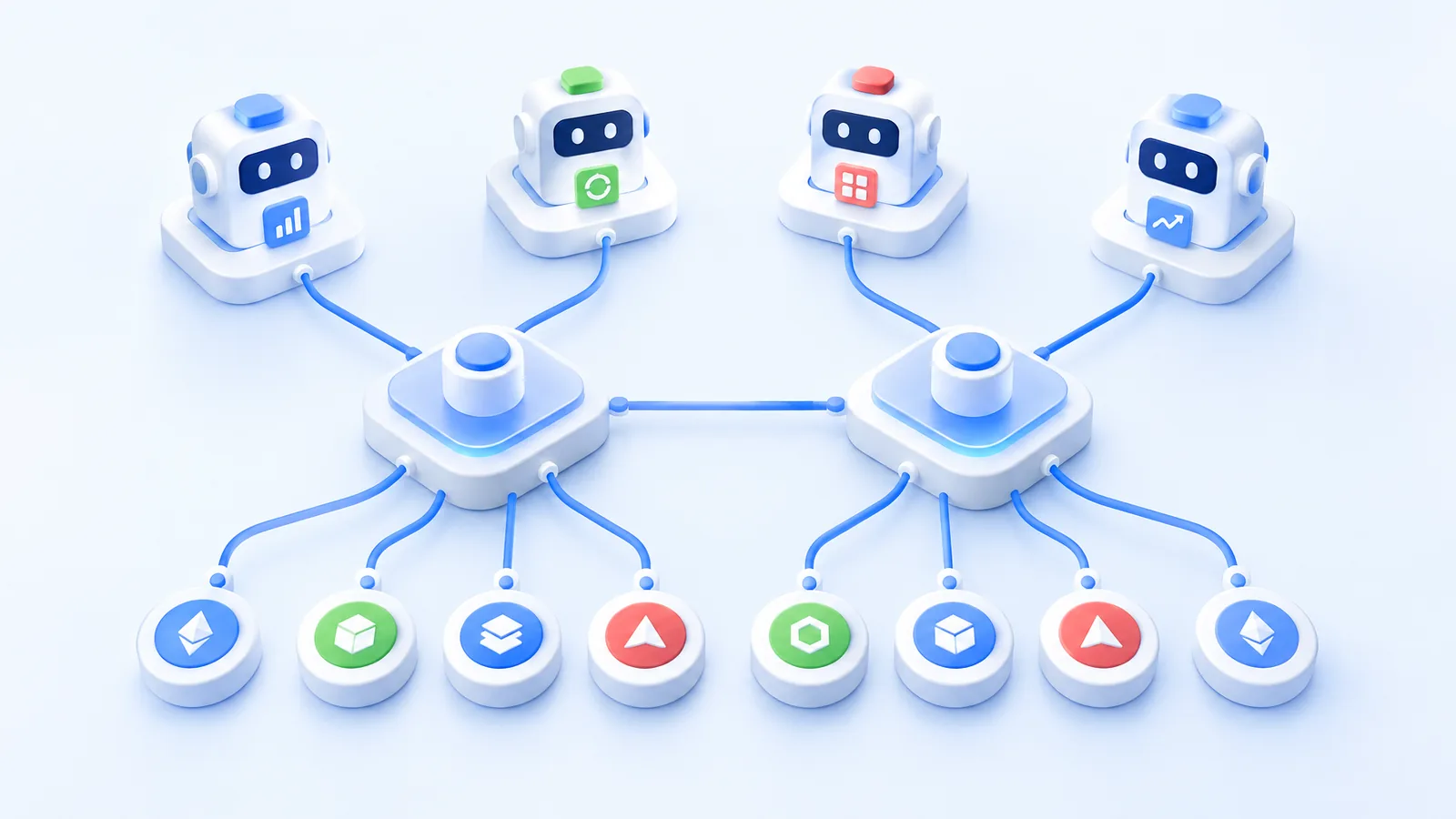
Bot subscription plans can measure several different things. An active bot is a running automation workflow; a trade is an individual position or order sequence. An account connection is another allowance again. Do not treat these as interchangeable units.
Build a usage list with separate totals for active signal workflows, chart-alert workflows, entry-sequence bots, and range-based bots. Add the historical tests you expect to run each month. A tier that accommodates one category may still leave another part of your intended setup outside its allowance.
Choose the lower tier when your intended setup fits its separate allowances. Choose a higher tier when you need more active strategies, more historical tests, or another connection. An unlimited bot allowance does not itself establish unlimited exchange connections, so a connection-heavy setup needs its own calculation.
Count the API keys and account types your setup requires. When reading an allowance, distinguish a unique credential from an exchange account, a market type, and a running bot. Record how the subscription measures connections rather than assuming every market or strategy consumes the same unit.
Match the subscription to the exchange account
The exchange name alone is insufficient. Write down the market type, such as spot or futures, and the exchange website you use. A subscription allowance cannot make an incompatible account usable.
Match the exact exchange domain and account type to the automation workflow before assigning a budget. Spot trading and derivatives are different requirements, even when an exchange offers both. Platform compatibility and your eligibility to use an exchange are separate questions; do not interpret an integration as permission to trade everywhere.
For a manager, client account authority changes the choice too. Read our multi-account automation guide when you need to distinguish personal bot capacity from a workflow that operates across client accounts. Set that operating model before budgeting for additional connections.
Budget beyond the subscription charge
Compare bot subscription plans using the complete cash outlay: the platform charge, any paid signal access, subscription payment fees, and the exchange costs generated by trading. Keep trading capital separate from that operating budget.
Check Cornix pricing and plans for actual tier prices and numeric allowances; neither is quoted here. For each suitable tier, record the amount charged, billing interval, active-bot limits by category, historical-test allowance, and connection limit. Compare monthly and annual billing only after both accommodate your usage list.
| Billing choice | Cost or commitment | Selection implication |
|---|---|---|
| Monthly | Initial and monthly payments nonrefundable | Favor while capacity needs change |
| Annual | Initial payment nonrefundable; renewal refund requests within 14 days | Consider for stable recurring usage |
| Crypto payment | 5% service fee plus network fees | Budget beyond the subscription invoice |
Treat signal access as a separate budget item rather than assuming the automation subscription includes the provider you want to follow. Write down the channel membership charge and its billing interval alongside the software charge. This prevents a low platform fee from obscuring the cost of the complete signal-following workflow.
Cornix adds a 5% Coinpayments service fee to crypto subscription invoices, with network fees also requiring coverage (payment and upgrade guide). Payment method therefore affects the amount required even before the strategy places an order.
Use a planning estimate for trading costs rather than assuming yesterday's activity will repeat exactly. The CFTC's trading bot advisory recommends considering fees, spreads, and subscription costs when assessing returns, and warns against promises of guaranteed results.
For a hypothetical monthly budget, assume a $40.00 platform subscription, a $25.00 signal membership, and $12.00 in estimated exchange trading costs: $40.00 + $25.00 + $12.00 = $77.00 before payment or network fees. The $77.00 estimate is an operating cost, separate from trading capital and any profit or loss.
Use the trial to choose a sustainable tier
Bot subscription plans should support a workflow you can configure, monitor, and stop. During a trial, record which bots you actually keep active, how many connections they use, and how frequently you run historical tests. Compare that usage with the intended paid tier, rather than carrying every experiment into live trading.
Before starting a trial, identify its activation event and expiration date. Prepare your strategy settings first so the available time goes toward testing rather than gathering account details. Use the trial to learn the controls, observe your actual capacity needs, and practice stopping the workflow before committing to recurring billing.
Cornix stopped making its Free plan available to new users on February 18, 2026, while existing users retain access (subscription availability guide). New users should therefore plan around a trial followed by a paid subscription, rather than an ongoing free allowance.
Keep renewal and exit costs in the decision
Include upgrade charges and downgrade requirements in your billing decision. A mid-period change may create a separate payment, while moving to a lower allowance may require reducing active usage first. Retire unused workflows deliberately rather than changing tiers while you still depend on their capacity.
Cornix does not refund initial subscription payments, monthly subscriptions, or upgrades; recurring annual renewal refund requests have a 14-calendar-day window (subscription terms). Put renewal dates alongside your trading review schedule.
To begin setting up your chosen automation workflow, open the Cornix registration page.
Frequently Asked Questions
Do crypto bot subscription plans renew automatically?
Do not assume that every payment method has the same renewal behavior. Before subscribing, record whether the payment authorizes recurring charges or purchases a fixed period of access, then set a reminder before that period ends.
Does canceling a subscription close exchange positions?
Treat cancellation, expiration, bot deactivation, and closing a position as separate actions. Review open positions and resting orders directly at the exchange; do not use a subscription billing action as your trade-exit procedure.